Sewage backup cleanup and regular water damage differ in one critical way: sewage is Category 3 "black water" that carries bacteria, viruses, and parasites, while regular water damage from a clean supply line is Category 1 and far less hazardous. That single distinction changes the safety gear, the disposal rules, the materials we can save, and how your insurance claim gets handled in Seguin, Texas.
We handle both types of losses every week, and the confusion between them is the most common reason homeowners delay calling. This post breaks down the real differences so you know exactly what you are dealing with.
The Core Difference: Water Category and Contamination Level
The restoration industry sorts water damage into three categories, and the category determines almost everything about the cleanup. Sewage backup cleanup vs regular water damage is really a question of which category you are facing.
- Category 1 (clean water): Broken supply lines, leaky faucets, rainwater. Low risk, often salvageable materials.
- Category 2 (gray water): Washing machine discharge, dishwasher overflow, toilet bowl water with no waste. Some contamination, needs disinfection.
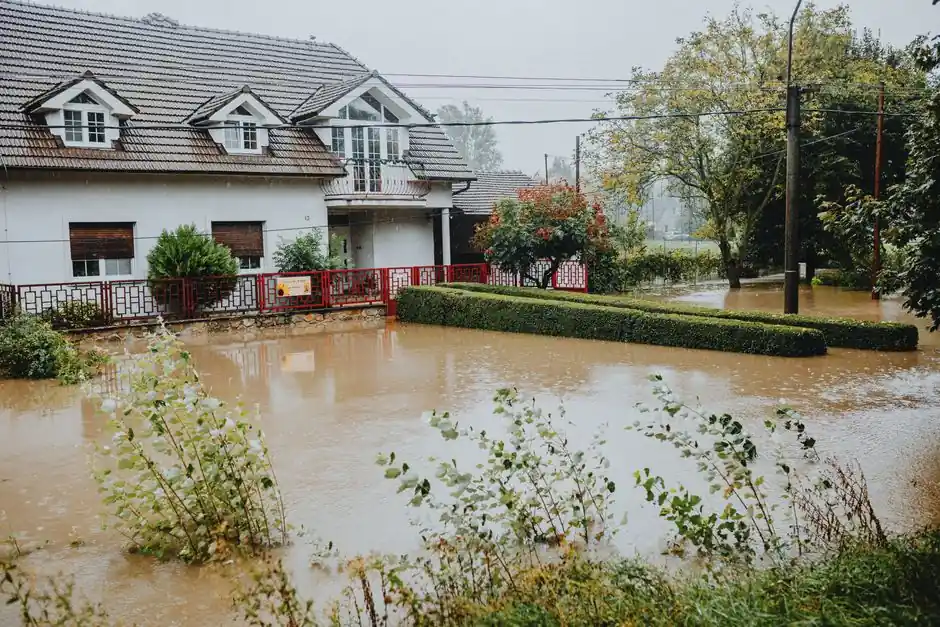
- Category 3 (black water): Sewage backups, toilet trap water, flooding from rivers or ground surface. Grossly contaminated, requires full PPE and often material removal.
A clean water pipe burst under your kitchen sink is Category 1. A main line backing up through your floor drain is Category 3. Same wet floor, completely different job.
If you are dealing with a clean water loss, our water damage restoration in Seguin Texas team can often dry and save most materials. Sewage changes the playbook.
Why Sewage Backup Is More Dangerous Than Regular Water Damage in Seguin TX
Sewage backup is more dangerous than regular water damage in Seguin TX because it introduces live pathogens directly into your home. We are talking E. coli, salmonella, hepatitis A, norovirus, and parasitic worms - all things that can make you sick from something as simple as touching a wet baseboard.
Category 1 water is not sterile, but it is not a biohazard either. You can walk through it in sneakers. Category 3 water requires gloves, eye protection, and often respirators. The risk is not just from drinking it. Pathogens enter through cuts, eyes, and airborne droplets when water is agitated by a shop vac or a mop.
There is also the odor factor. Sewage carries hydrogen sulfide and methane, which is why a backup smells like rotten eggs. That smell lingers in drywall, insulation, and subfloor long after the visible water is gone. Standard air movers will spread the contamination if the area is not first treated with an antimicrobial.
We see this often in older Seguin homes near the Guadalupe River corridor, where clay soil shifts and root intrusion cracks aging cast-iron lateral lines. A backup there is not just a plumbing problem - it is a health hazard that needs a sewage cleanup Seguin TX crew trained for Category 3 work.
How the Cleanup Process Differs Step by Step
The cleanup process for sewage backup is longer and more destructive than for regular water damage because contaminated porous materials cannot be dried and saved. Here is how the two jobs compare.
Regular water damage (Category 1 or 2)
- Extract standing water with truck-mounted or portable units.
- Remove any wet carpet pad, but often save the carpet if caught within 24-48 hours.
- Set up air movers and dehumidifiers to dry the structure to 12-15% moisture content.
- Apply a light antimicrobial as a precaution.
- Monitor daily for 3-5 days, then restore.
Sewage backup (Category 3)
- Block off the area and set up negative air pressure to contain airborne pathogens.
- Remove and bag all porous materials - carpet, pad, drywall up to 12 inches above the water line, insulation, and often baseboards.
- Extract the remaining water and dispose of it per local wastewater rules.
- Pressure-wash and disinfect hard surfaces with an EPA-registered hospital-grade product.
- Dry the structure with dehumidifiers and HEPA-filtered air scrubbers.
- Verify with moisture meters and ATP swabs before any rebuild.
Notice the difference: regular water damage is mostly a drying job. Sewage backup is a demolition, disinfection, and drying job. You cannot shortcut the demolition step. If contaminated drywall stays, mold will follow within 48-72 hours.
For the drying phase, we use commercial-grade equipment. If you want to understand what that looks like, our water extraction and drying services Seguin TX page walks through the machines and moisture targets.
Cost Differences: Sewage Backup Cleanup vs Regular Water Damage
Sewage backup cleanup costs more than regular water damage because of the added demolition, disposal, and disinfection labor. In Seguin, typical 2026 pricing for a small Category 1 water loss (one room, under 100 sq ft) runs $1,200-$2,800. A comparable sewage backup in the same footprint runs $3,500-$7,500 because we are removing materials, not just drying them.
Here is what drives the sewage number up:
- Material disposal: Contaminated carpet, pad, and drywall must be bagged and hauled to a licensed facility. That is a real cost, not a line-item padding.
- Disinfection: Hospital-grade chemicals and multiple applications take time and product.
- Air scrubbing: HEPA scrubbers run for 3-5 days on a sewage job, sometimes longer.
- Rebuild: New drywall, baseboards, flooring, and paint after the structure is verified clean.
Insurance coverage also differs. Most homeowners policies cover sudden sewage backup only if you added a sewer backup rider - typically $5,000-$25,000 in coverage. Regular sudden water damage from a burst pipe is usually covered under the base policy. If you are not sure what your policy says, our water damage insurance claim help Seguin TX team can review the loss and document it the way adjusters expect.
What to Watch Out For After a Sewage Backup
The biggest mistake homeowners make after a sewage backup is treating it like a regular water spill. Here is what to avoid.
- Do not run a standard shop vac. It aerosolizes pathogens and spreads contamination through the house.
- Do not dry the carpet and keep it. Sewage-soaked carpet and pad cannot be saved. Ever.
- Do not use bleach as your only disinfectant. Bleach kills some things on contact but does not penetrate porous surfaces and can be neutralized by organic matter.
- Do not wait for the smell to go away. It will not. The odor is a sign that contamination is still present in the structure.
- Do not skip the moisture check on adjacent rooms. Sewage wicks through wall cavities and into closets you never opened.
We also see homeowners try to file a sewage backup as regular water damage to get it covered. That backfires. Adjusters know the difference, and misrepresenting the loss can get a claim denied. Be honest about what backed up and where it came from.
One more thing: if the backup happened in a finished basement, do not assume the walls are fine because they look dry. We use thermal imaging inspection Seguin TX to find hidden moisture behind walls before we close anything up.
When to Call a Professional
Call a professional the moment you know the water is sewage, not clean water. If the source is a toilet, floor drain, or main line, stop and make the call. Do not mop, do not vacuum, and do not let kids or pets near the area.
You should also call us if:
- The backup covers more than about 10 square feet.
- Water has been sitting longer than 24 hours.
- You smell the rotten-egg odor anywhere in the house.
- Anyone in the home has a compromised immune system, is pregnant, or is very young or elderly.
- You see any discoloration or fuzzy growth on walls within a few days.
Seguin Water Damage Restoration Pros handles both regular water damage and Category 3 sewage losses. We contain the area, remove what cannot be saved, disinfect, dry, and document everything for your insurance claim. If you are not sure which type of loss you have, we will tell you straight when we walk in.
Frequently Asked Questions
What is the difference between sewage backup cleanup and water damage in Seguin TX?
Sewage backup is Category 3 black water carrying bacteria and viruses, so cleanup requires containment, removal of all porous materials, and hospital-grade disinfection. Regular water damage from a clean supply line is Category 1 or 2 and can often be dried and saved without demolition.
Is sewage backup cleanup covered by insurance in Seguin Texas?
Usually only if you bought a sewer backup rider, which typically adds $5,000-$25,000 in coverage. Base policies cover sudden clean water damage but exclude sewage unless the endorsement is in place. Check your declarations page or call your agent before you file.
How dangerous is sewage backup in Seguin TX?
Very. It can expose you to E. coli, hepatitis A, norovirus, and parasites through skin contact, cuts, or airborne droplets. Children, elderly adults, and anyone immunocompromised should leave the home until the area is disinfected and dried.
Can I clean up a sewage backup myself in Seguin?
Only if it is under about 10 square feet, you have proper PPE, and you can dispose of contaminated materials legally. Anything larger, or any backup that soaked carpet or drywall, needs professional extraction and disinfection to prevent mold and illness.
How long does sewage backup cleanup take in Seguin TX?
Most residential sewage jobs take 3-5 days for extraction, disinfection, and drying, plus another 2-7 days for rebuild if drywall or flooring was removed. Larger losses or crawl space contamination can push the drying phase to 7-10 days.
Get Help with Water Damage Restoration in Seguin
Whether you are facing a clean water leak or a full sewage backup, the sooner we get on site, the more we can save and the less risk you carry. Call Seguin Water Damage Restoration Pros at 830-460-2143 and we will tell you exactly what you are dealing with.